Unlocking the Potential of Innovative Drone Training Methods
- Anthony Oliveira
- Jan 20
- 4 min read
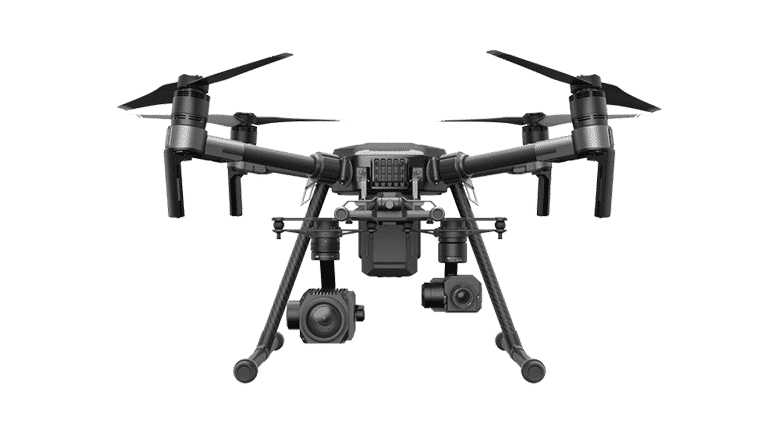
The rapid evolution of drone technology has transformed numerous industries, from agriculture to security. As drones become more sophisticated, the need for comprehensive and effective pilot training grows. I have witnessed firsthand how innovative drone training methods are reshaping the way aspiring and professional drone pilots acquire the skills necessary to operate safely and efficiently. In this post, I will explore the latest advancements in drone pilot education, practical examples of training applications, and actionable recommendations for those looking to enhance their expertise.
Embracing Innovative Drone Training Methods
The landscape of drone pilot training has shifted dramatically in recent years. Traditional classroom instruction and basic flight practice are no longer sufficient to prepare pilots for the complexities of modern drone operations. Innovative drone training methods now incorporate simulation technology, virtual reality (VR), and interactive online platforms to provide immersive and hands-on learning experiences.
For example, flight simulators allow trainees to practice maneuvers in a controlled, risk-free environment. This technology replicates real-world conditions such as wind, obstacles, and equipment malfunctions, enabling pilots to develop critical decision-making skills without the cost or danger of actual flight. Additionally, VR environments can simulate complex scenarios like search and rescue missions or agricultural crop monitoring, giving pilots a chance to apply their knowledge in context.
Online platforms also play a crucial role by offering flexible, self-paced courses that combine video tutorials, quizzes, and live instructor feedback. This approach caters to diverse learning styles and schedules, making drone training more accessible across Canada, especially for professionals in security and agriculture sectors.

How Much Does Drone Pilot Training Cost?
Understanding the financial investment required for drone pilot training is essential for planning a successful career or business integration. Costs vary widely depending on the training provider, course content, and certification level.
Basic introductory courses typically range from CAD 300 to CAD 700. These cover fundamental flight skills, safety protocols, and regulatory knowledge. More advanced programs, including specialized training for commercial applications such as aerial surveying or security surveillance, can cost between CAD 1,000 and CAD 3,000.
Certification fees, such as those required by Transport Canada for commercial drone operations, are additional but necessary expenses. Some training providers bundle certification preparation with their courses, offering a streamlined path to becoming a licensed pilot.
Investing in high-quality training is crucial. Cheaper options may lack comprehensive content or experienced instructors, which can compromise safety and operational effectiveness. I recommend evaluating course curricula, instructor credentials, and student reviews before committing.
Practical Applications of Advanced Training Technologies
The integration of advanced training technologies has tangible benefits across various industries. In agriculture, for instance, drone pilots trained with precision simulation tools can better manage crop health monitoring, irrigation planning, and pest control. These pilots learn to interpret multispectral imaging data and execute precise flight paths that maximize efficiency and yield.
In the security sector, drone operators benefit from scenario-based training that prepares them for surveillance, crowd monitoring, and emergency response. Simulated environments help pilots practice navigating complex urban landscapes and responding to dynamic situations without risking equipment or public safety.
Moreover, industries such as construction, environmental monitoring, and filmmaking are adopting these innovative training methods to ensure their drone operators meet high standards of professionalism and safety.

Leveraging drone training technology for Certification and Career Advancement
One of the most significant advantages of modern drone training is the ability to leverage cutting-edge drone training technology to achieve certification and advance careers. Platforms like SecuDrone provide comprehensive online courses tailored to Canadian regulations and industry needs.
These programs combine theoretical knowledge with practical exercises, including flight simulations and real-world assignments. The use of technology ensures that pilots are not only prepared to pass certification exams but also equipped to handle the demands of professional drone operations.
For those in security, agriculture, or other professional fields, obtaining certification through such platforms can open doors to new job opportunities and higher earning potential. Employers increasingly seek pilots who have demonstrated proficiency through recognized training programs that utilize the latest instructional technologies.
Best Practices for Maximizing Your Drone Training Experience
To fully benefit from innovative drone training methods, I recommend the following best practices:
Set Clear Goals - Define what you want to achieve with your training, whether it is certification, skill enhancement, or specialization in a particular industry.
Choose Accredited Providers - Select training programs that are recognized by regulatory bodies and have positive industry reputations.
Engage Actively - Participate in all interactive components, including simulations, quizzes, and live sessions, to reinforce learning.
Practice Regularly - Supplement formal training with hands-on flight practice to build muscle memory and confidence.
Stay Updated - Drone technology and regulations evolve rapidly; commit to continuous learning to maintain your edge.
Network with Professionals - Join drone pilot communities and forums to exchange knowledge and stay informed about industry trends.
By following these recommendations, you can ensure that your investment in drone training yields tangible results and positions you for success.
The Future of Drone Pilot Training
Looking ahead, the potential for drone pilot training is vast. Emerging technologies such as artificial intelligence (AI) and machine learning are poised to further enhance training programs by providing personalized feedback and adaptive learning paths. Augmented reality (AR) could also play a role in real-time flight assistance and maintenance training.
As the drone industry expands, the demand for highly skilled pilots will continue to grow. Training providers that embrace innovation and maintain rigorous standards will lead the way in preparing the next generation of drone professionals.
For those committed to mastering drone operations, staying informed about these advancements and investing in quality training will be essential. The future of drone pilot training is not only about learning to fly but about unlocking the full potential of drones to transform industries and improve lives.
By integrating innovative drone training methods and leveraging advanced technology, aspiring and professional drone pilots can achieve certification, enhance their skills, and excel in their careers. Whether operating in security, agriculture, or other fields, the right training is the foundation for safe, efficient, and impactful drone use.

Comments