Passing the Canada Drone Pilot Exam: Essential Drone Exam Preparation Tips
- Anthony Oliveira
- Jan 20
- 3 min read
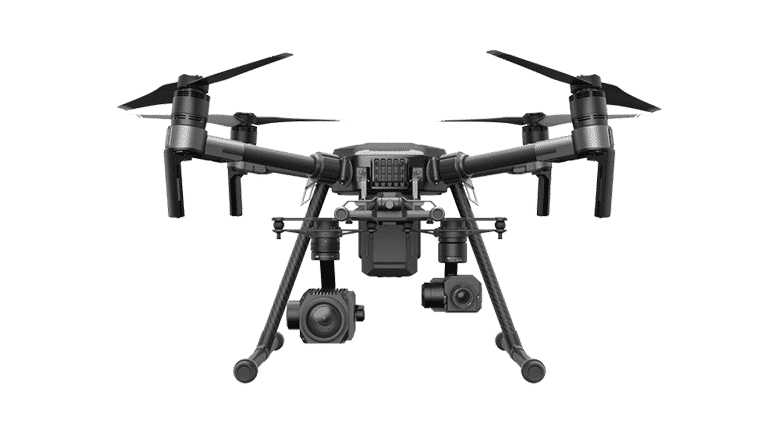
Becoming a certified drone pilot in Canada is a significant step for professionals in security, agriculture, and many other industries. The process involves passing a rigorous exam that tests your knowledge of drone operations, safety protocols, and Canadian aviation regulations. Having recently navigated this path myself, I want to share practical insights and effective strategies to help you succeed in the canada drone pilot exam.
Understanding the Importance of Certification
Before diving into preparation tips, it is crucial to understand why certification matters. The Canadian government requires drone pilots to obtain a pilot certificate to operate drones legally, especially for commercial purposes. This certification ensures that pilots:
Understand airspace rules and restrictions
Can operate drones safely to protect people and property
Are knowledgeable about emergency procedures and weather conditions
For professionals in sectors like security and agriculture, certification not only complies with legal requirements but also enhances credibility and operational efficiency.

Drone Exam Preparation Tips
Preparation is the key to passing the exam confidently. Here are some targeted tips that helped me and can assist you in your study journey:
1. Familiarize Yourself with the Study Guide
Transport Canada provides an official study guide that covers all exam topics. Make sure to:
Read the guide thoroughly at least twice
Highlight key points such as airspace classifications, weather effects, and emergency procedures
Take notes summarizing complex sections for quick review
2. Use Practice Exams
Practice exams simulate the real test environment and help identify knowledge gaps. I recommend:
Taking multiple practice tests available online
Timing yourself to improve speed and accuracy
Reviewing incorrect answers to understand mistakes
3. Focus on Airspace and Regulations
Many questions revolve around Canadian airspace rules. Pay special attention to:
Controlled vs uncontrolled airspace
No-fly zones and altitude limits
Requirements for flying near airports or heliports
4. Understand Weather and Safety Protocols
Weather conditions can significantly impact drone operations. Study topics such as:
Wind speed limits for safe flying
Visibility requirements
How to respond to sudden weather changes
5. Develop a Study Schedule
Consistency beats cramming. I found it helpful to:
Allocate daily study sessions of 30-60 minutes
Mix reading, note-taking, and practice tests
Review difficult topics multiple times
How to get a drone pilot certificate in Canada?
Obtaining your drone pilot certificate involves a few clear steps. Here is a breakdown of the process:
Step 1: Meet Basic Requirements
Be at least 14 years old for the basic operations certificate
Be at least 16 years old for the advanced operations certificate
Have a valid government-issued ID
Step 2: Study for the Exam
Use the official study guide and practice exams as mentioned earlier. The advanced exam requires a deeper understanding of airspace and operational procedures.
Step 3: Pass the Online Exam
The exam is conducted online through Transport Canada’s portal
Basic exam: 35 multiple-choice questions, 60 minutes, 65% passing grade
Advanced exam: 50 multiple-choice questions, 90 minutes, 70% passing grade
Step 4: Pass a Flight Review (Advanced Certificate Only)
For advanced operations, you must complete a flight review with a certified flight reviewer to demonstrate practical skills.
Step 5: Apply for Your Pilot Certificate
Once you pass the exam (and flight review if applicable), apply online to receive your drone pilot certificate.

Practical Tips for Exam Day
The day of the exam can be stressful, but preparation can ease anxiety. Here are some recommendations:
Get a good night’s sleep before the exam day to ensure focus.
Have a quiet, distraction-free environment for the online test.
Read each question carefully and avoid rushing.
Use elimination techniques to narrow down multiple-choice options.
Manage your time wisely; don’t spend too long on any single question.
Leveraging Professional Training for Success
While self-study is effective, enrolling in a professional online training program can provide structured learning and expert guidance. SecuDrone, for example, offers comprehensive courses tailored to Canadian regulations and industry needs. Their training includes:
Interactive modules covering all exam topics
Access to experienced instructors for questions
Simulated flight scenarios for practical understanding
Such programs can significantly increase your chances of passing the exam on the first attempt and prepare you for real-world drone operations.
Moving Forward After Certification
Passing the exam is just the beginning. To maintain your skills and compliance:
Stay updated on changes in drone regulations
Participate in refresher courses or workshops
Practice flying regularly to hone your skills
Join professional drone pilot communities for networking and support
Certification opens doors to exciting opportunities in various industries. With the right preparation and ongoing learning, you can excel as a drone pilot and contribute to safer, more efficient drone operations across Canada.
By following these detailed preparation tips and understanding the certification process, you will be well-equipped to pass the canada drone pilot exam and advance your career in this dynamic field.

Comments