Transport Canada's 2025 Drone Rules: 7 Changes That Will Transform Your Business Operations
- Anthony Oliveira
- Dec 30, 2025
- 4 min read
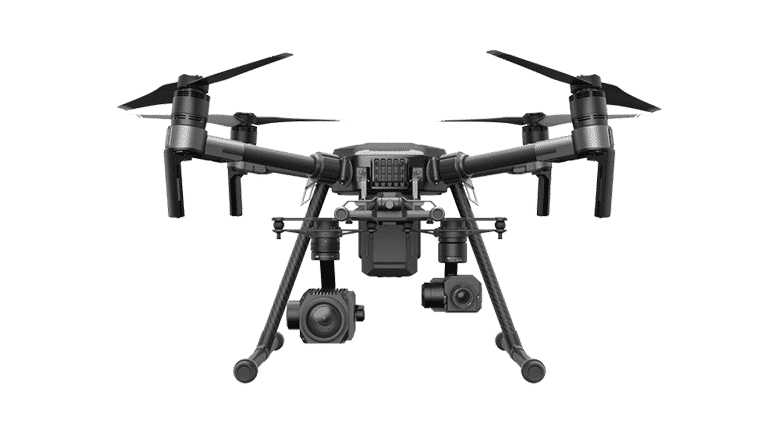
If you're running a business that uses drones or thinking about adding them to your operations, 2025 just became a game-changer. Transport Canada rolled out major regulatory updates in two phases this year: April 1st and November 4th: and they're reshaping how Canadian businesses can use drones.
As a recognized Transport Canada flight reviewer, I've been helping businesses navigate these changes at SecuDrone. Trust me, these aren't just bureaucratic tweaks. These are real opportunities that can transform how you operate, save money, and expand your services.
Let's break down the seven biggest changes and what they actually mean for your business.
1. Medium Drones Are Finally Free to Fly (Without the Paperwork Nightmare)
Here's the big one: drones weighing 25-150 kg can now fly within visual line-of-sight without needing a Special Flight Operations Certificate (SFOC).
Before 2025, if you wanted to fly anything heavier than 25 kg, you were looking at months of paperwork, thousands in fees, and no guarantee of approval. Now? If you've got an Advanced Pilot Certificate, you're good to go.
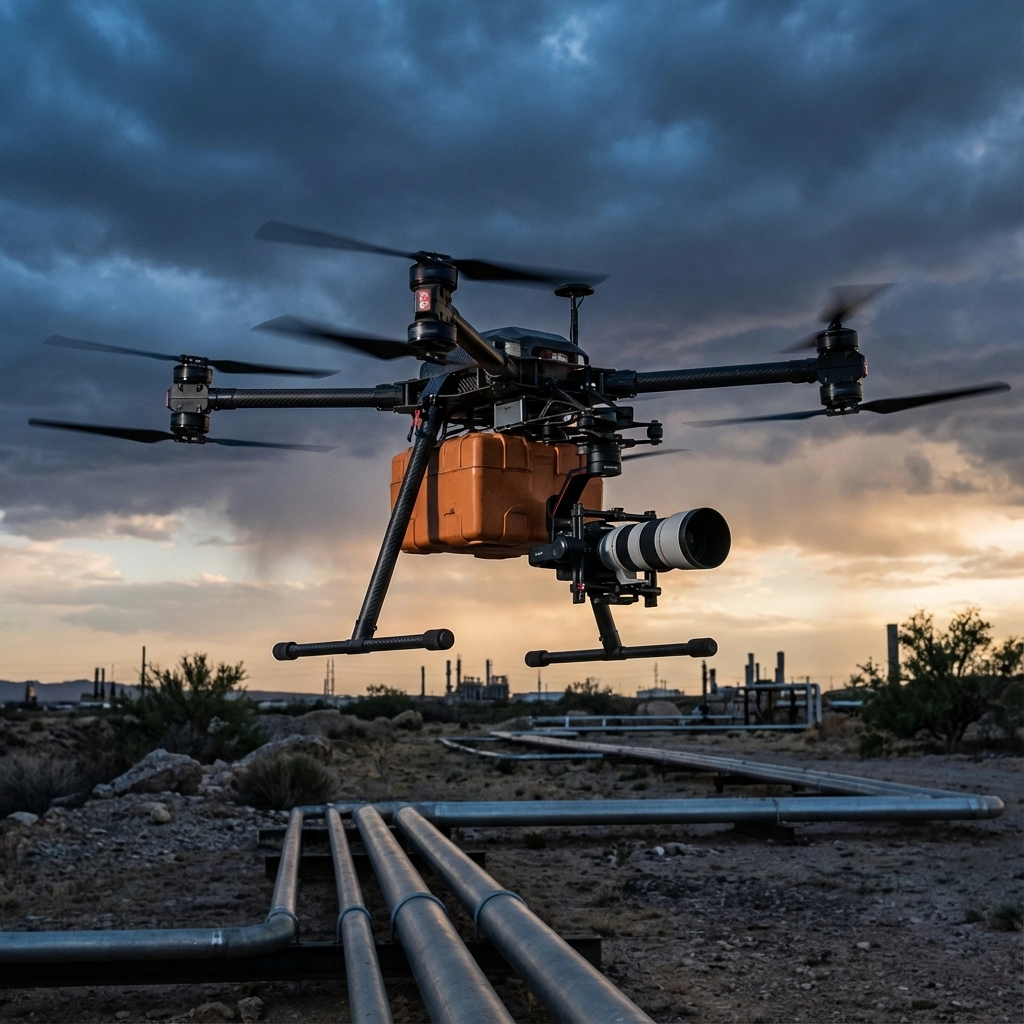
What this means for your business: Heavy-duty inspections, infrastructure work, and agricultural operations just became way more feasible. Think pipeline inspections, large-scale surveying, or precision agriculture with serious payload capacity. Industries that couldn't justify the SFOC hassle can now operate efficiently.
2. Beyond Visual Line-of-Sight Just Got Real
Low-risk BVLOS (Beyond Visual Line-of-Sight) operations no longer require an SFOC if you meet specific conditions: uncontrolled airspace, below 400 feet, and at least 1 km from populated areas.
This is huge. BVLOS was the holy grail that most businesses could never reach because of regulatory barriers. Now it's becoming routine for qualified operators.
Business impact: Logistics companies can finally run drone delivery trials. Infrastructure inspection companies can cover massive areas without repositioning crews. Emergency response teams can deploy drones across large search areas. The applications are endless, and the barriers just disappeared.
3. Extended Visual Operations and Sheltered Flying Get the Green Light
If you hold an Advanced Pilot Certificate, you can now conduct Extended Visual Line-of-Sight (EVLOS) and sheltered operations without special approvals. EVLOS means using visual observers to extend your operational range, while sheltered operations let you fly in areas like stadiums or construction sites.
What this opens up: Film and TV productions can get those sweeping shots without bureaucratic delays. Real estate photography can cover larger properties more efficiently. Construction monitoring becomes more comprehensive. Agricultural operations can cover more ground with visual observers positioned strategically.
4. New Pilot Certification Paths That Actually Make Sense
Transport Canada introduced a Level 1 Complex Operations Certificate that creates a clear pathway into commercial drone operations. The requirements are straightforward: be 18+, complete ground school, pass the Transport Canada exam, and do an in-person flight review.
This certificate enables low-risk BVLOS flights without going through the traditional SFOC nightmare.
Why this matters: Small and medium businesses can now access advanced operations without enterprise-level resources. The path from basic operations to complex commercial work is finally clear and achievable. We've been helping operators navigate this transition at SecuDrone, and the difference is night and day.
5. Commercial Operators Must Now Get Official (But It's Worth It)
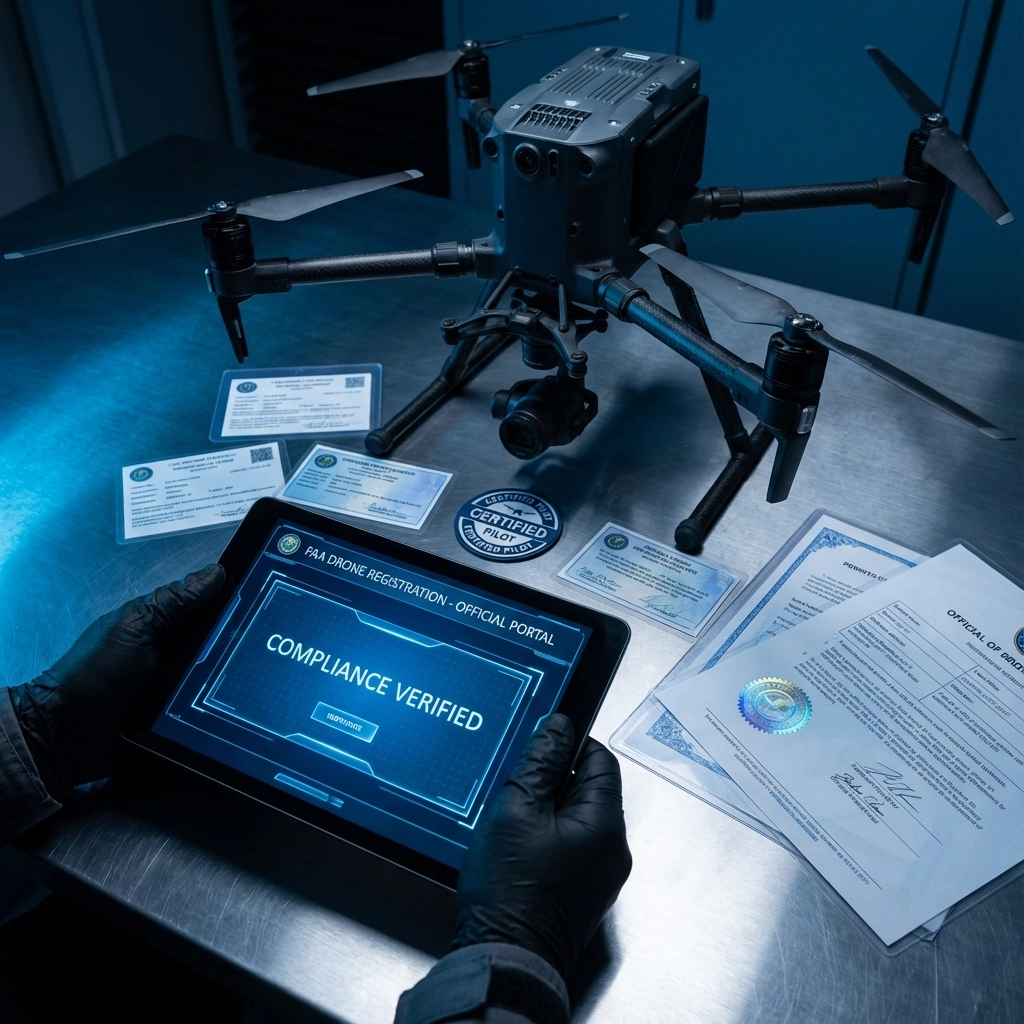
All commercial operators need to formally register for an RPAS Operator Certificate (RPOC) through Transport Canada's Drone Management Portal. This replaces the informal arrangements many businesses were operating under.
The upside: While it's another step, it legitimizes your operations and provides clear compliance frameworks. Insurance companies, clients, and partners now have official verification of your credentials. It's professionalism that actually pays off.

6. Safety Declarations Become Mandatory (And Change Everything)
Every drone conducting advanced operations must now be declared as safe through a Safety Assurance Declaration process. Medium drones without this declaration simply can't operate in Canadian airspace.
Business reality check: This means you can't just buy any drone and expect to use it commercially. You need to verify certifications before purchase. But here's the flip side: it levels the playing field. Professional operators with properly certified equipment now have a clear competitive advantage over fly-by-night operations.
What to do: Before investing in new equipment, verify it meets Safety Assurance Declaration requirements. Partner with suppliers who understand these regulations. At SecuDrone, we help businesses navigate equipment selection to ensure compliance from day one.
7. Small Drones at Big Events Need Special Approval Now
Here's one that caught many operators off guard: drones under 250g now require an SFOC if flown over advertised public events as of April 1st, 2025.
This affects event coverage, marketing shoots, and promotional work more than you might think. That lightweight drone you've been using for local events? It now needs the same approvals as heavier commercial equipment in these situations.
Adaptation strategy: Plan ahead for event coverage. Factor SFOC timing into project schedules. Consider whether the event coverage justifies the approval process, or if alternative approaches might work better.

What These Changes Mean for Your Bottom Line
These regulations create what Transport Canada calls "real-world opportunities" in inspection, infrastructure, agriculture, emergency response, and logistics. But they're not just opportunities: they're competitive advantages for businesses that adapt quickly.
The winners: Companies that invest in proper certification, compliant equipment, and professional training. Operations that were previously impossible or prohibitively expensive are now routine business activities.
The losers: Businesses that try to operate in regulatory gray areas or assume the old rules still apply. The compliance landscape is clearer now, which means non-compliance is easier to spot and harder to justify.
Getting Compliant (Without the Headaches)
Here's the thing about regulations: they're only as useful as your ability to work within them effectively. The 2025 changes open doors, but you need the right keys.
Professional training isn't optional anymore: it's your competitive edge. Understanding these regulations, getting proper certifications, and operating compliant equipment determines whether these changes help or hurt your business.
At SecuDrone, we've been helping Canadian businesses navigate drone regulations since before these changes were even proposed. Whether you need pilot certification, operational planning, or equipment compliance verification, we understand what it takes to operate legally and profitably in the new regulatory environment.
The 2025 regulatory changes aren't just updates: they're a fundamental shift toward making professional drone operations accessible, legitimate, and profitable. The businesses that recognize this and adapt accordingly will have significant advantages over competitors still trying to figure out the new rules.
Ready to take advantage of these changes? Visit secudrone.ca to learn about our training programs and certification services designed specifically for the 2025 regulatory environment.
The sky isn't the limit anymore; it's the opportunity.

Comments