Stop Wasting Time on Basic Security: Try These 7 Advanced Drone Protection Hacks
- Anthony Oliveira
- Dec 12, 2025
- 5 min read
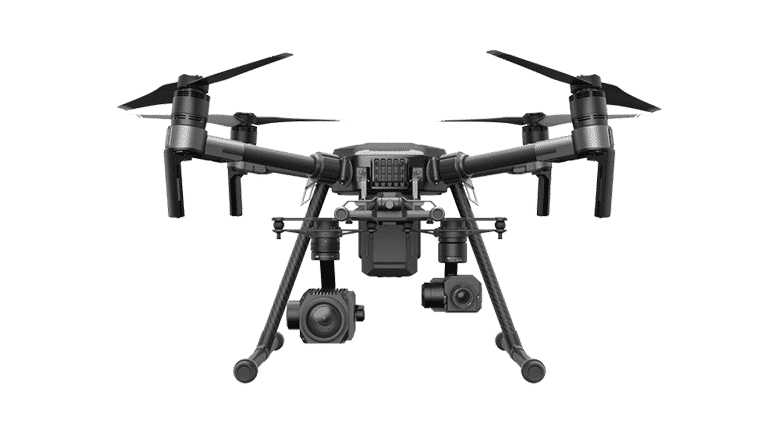
Basic perimeter fences and security cameras aren't cutting it anymore. Drones are getting smarter, cheaper, and more accessible to bad actors every day. If you're still relying on traditional security measures, you're basically inviting trouble.
The good news? Advanced drone protection technology has evolved rapidly in the past few years. What used to cost millions and require military-grade equipment is now available to businesses of all sizes.
Here are seven advanced protection strategies that'll give you a real edge against drone threats.
Hack #1: Build a Multi-Sensor Detection Web
Stop relying on just one detection method. The most effective drone defense systems combine multiple sensors working together like a digital spider web.
Here's what works: RF detection picks up radio signals between drones and controllers. Acoustic sensors identify unique drone sound signatures. Radar tracks movement patterns. Infrared cameras spot heat signatures even at night.

When all these systems work together, they catch drones that might slip past individual sensors. A stealth drone might avoid radar but still generates heat. A silent drone still needs radio communication.
Major airports already use this approach. They've reduced false alarms by 80% and catch unauthorized drones within seconds of entering restricted airspace.
The key is integration. Your sensors need to talk to each other and cross-reference data in real-time. This prevents the classic problem of security systems that work great individually but create chaos when combined.
Hack #2: Let AI Do the Heavy Lifting
Manual monitoring is dead. Human operators can't process sensor data fast enough when multiple drones appear simultaneously.
AI-powered systems analyze radar feeds, video streams, and RF data instantly. They automatically classify threats, predict flight paths, and recommend countermeasures without human input.
The best AI systems learn your specific environment. They understand normal air traffic patterns around your facility and flag anything unusual. A delivery drone following standard routes won't trigger alerts, but a drone hovering near sensitive areas will.

Response time matters. AI systems can detect, classify, and respond to threats in under one second. Human operators typically need 15-30 seconds just to assess a situation.
This technology isn't experimental anymore. It's deployed at critical infrastructure sites worldwide and has successfully stopped hundreds of unauthorized drone incursions.
Hack #3: Deploy Autonomous Interceptor Drones
Sometimes the best way to catch a drone is with another drone.
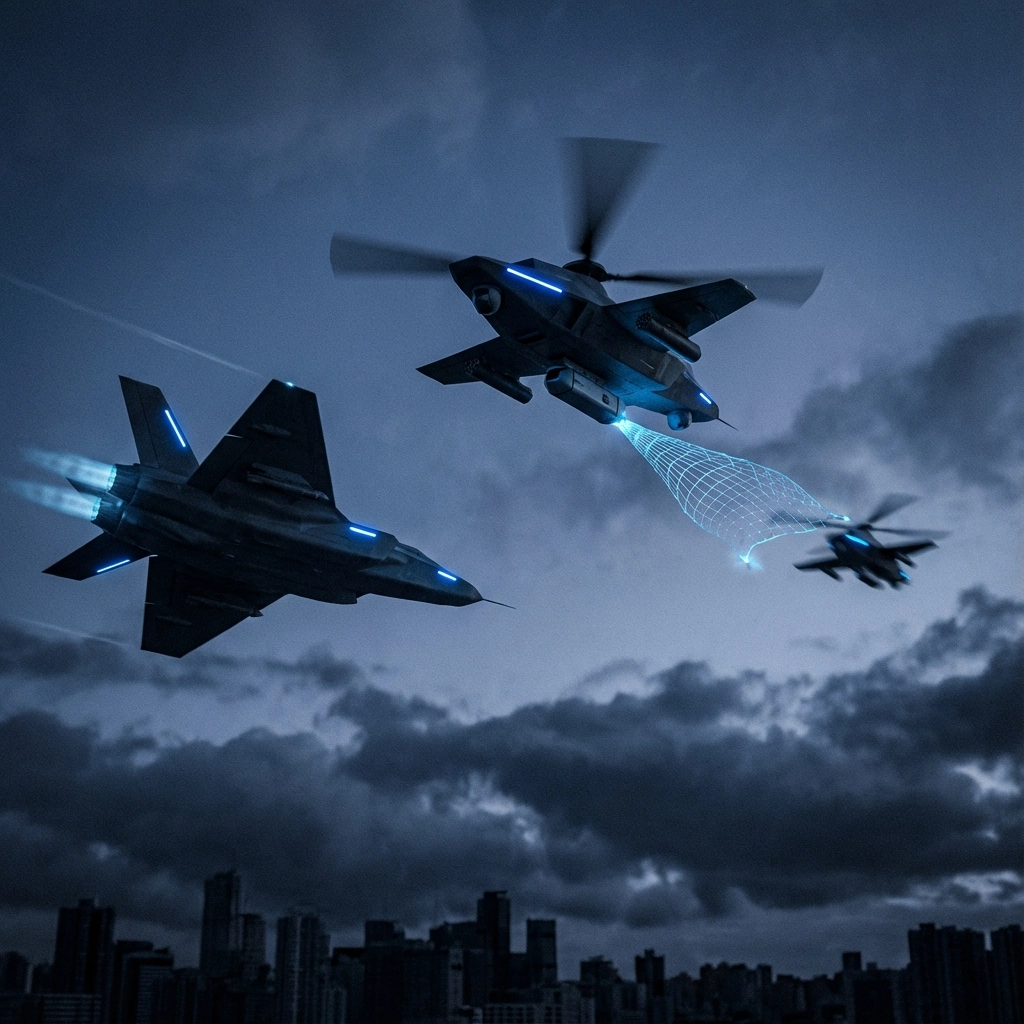
Autonomous interceptor drones launch from fixed stations around your perimeter. They carry nets, deploy capture systems, or simply ram hostile drones out of the sky. After neutralizing the threat, they return to base automatically.
This approach works especially well against drone swarms. While human operators struggle to track multiple targets, autonomous interceptors can engage several drones simultaneously.
The psychological effect is powerful too. When word gets out that your facility has active drone defenses, most casual threats disappear entirely.
Modern interceptor systems require minimal maintenance and can operate 24/7 without human oversight. They're essentially robotic guard dogs for your airspace.
Hack #4: Consider Directed Energy Weapons
Laser defense systems might sound like science fiction, but they're real and increasingly practical.
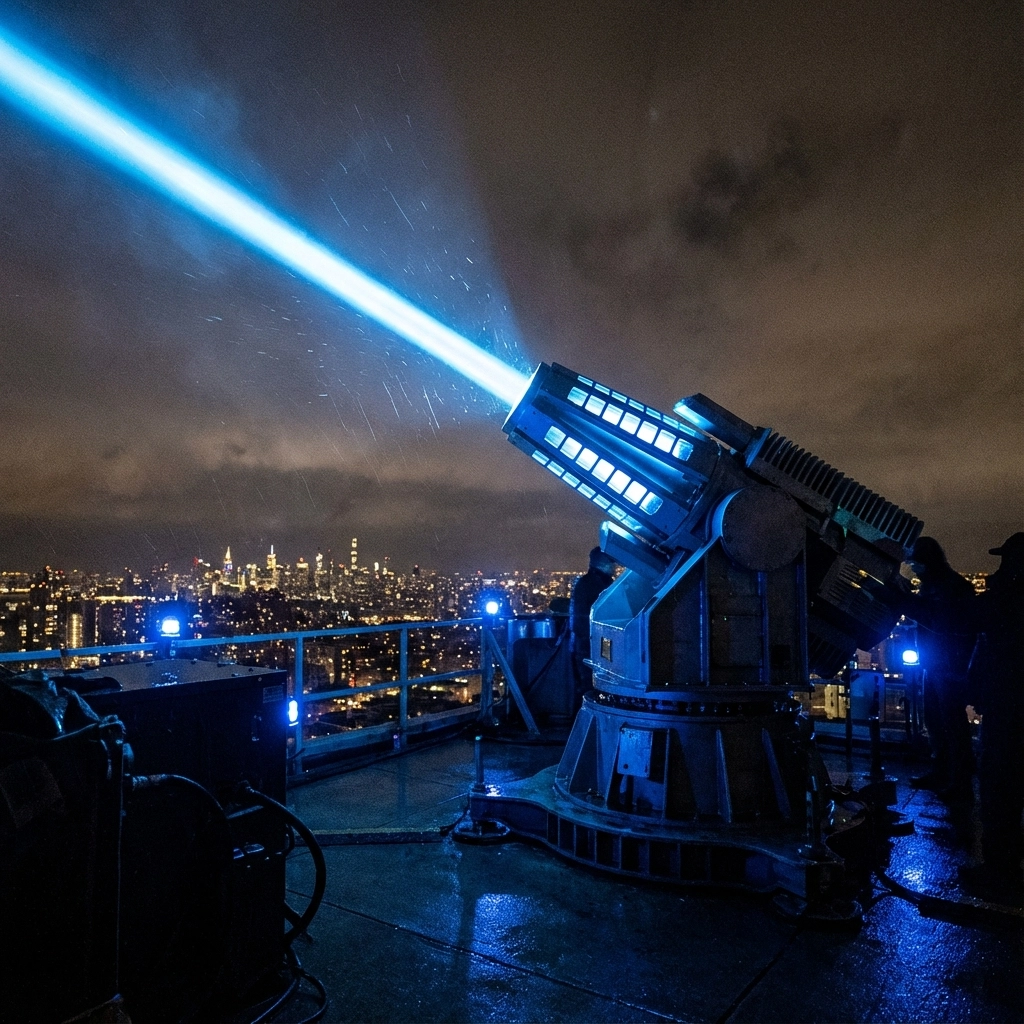
These systems focus concentrated energy beams on drones, rapidly heating critical components until they fail. The process is nearly invisible, creates no debris, and works at ranges up to several kilometers.
Lasers excel against small, agile drones that are difficult to hit with traditional projectiles. They're also cost-effective – each "shot" costs pennies compared to missiles or other interceptors.
The technology has proven effective in real combat situations. Military units have used portable laser systems to neutralize kamikaze drones and reconnaissance UAVs.
For civilian applications, laser systems require proper safety protocols and regulatory approval. But for high-value facilities, they represent the cutting edge of drone defense.
Hack #5: Secure Your Own Drones with SHIELD Technology
Protecting against hostile drones is only half the battle. You also need to secure any drones your organization operates.
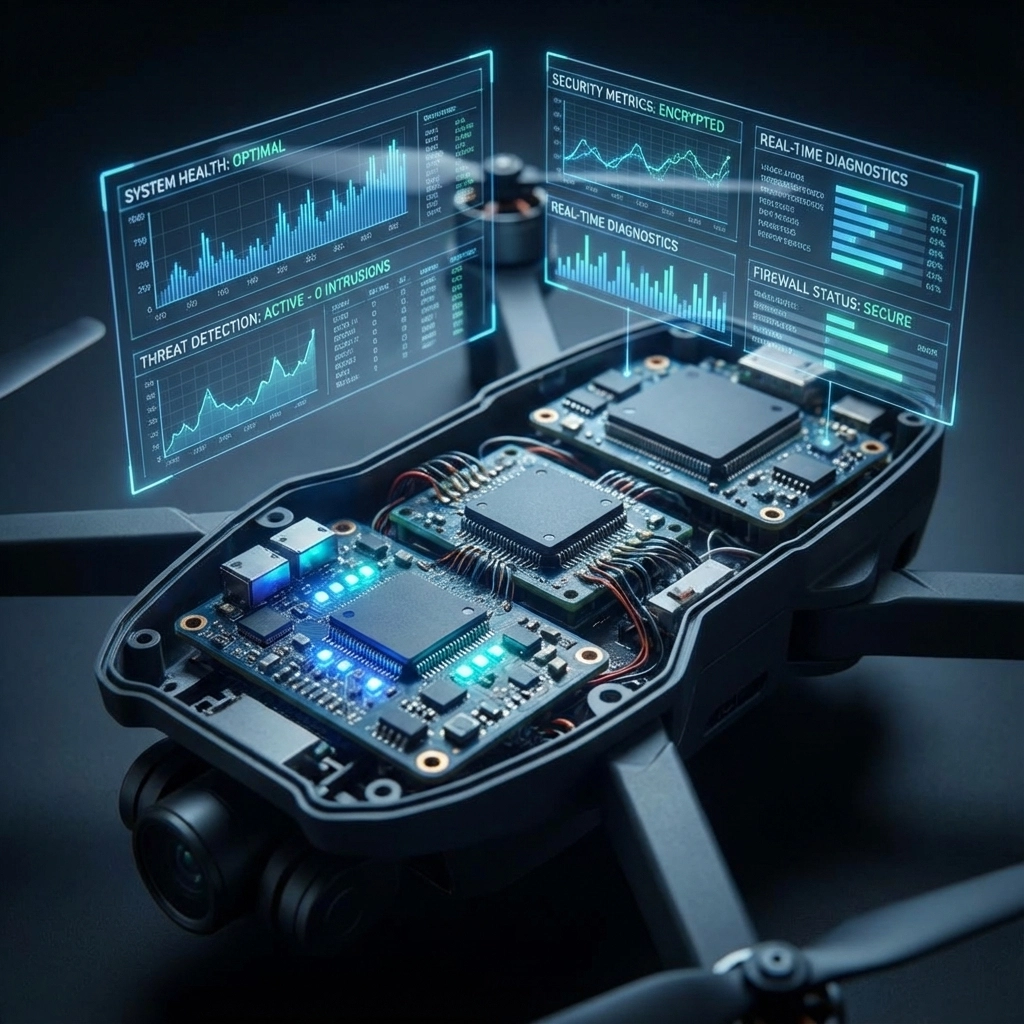
Advanced cybersecurity frameworks like SHIELD monitor your drone's entire control system – not just software vulnerabilities. They watch for hardware anomalies like unusual battery drain, processor overload, or communication disruptions.
When an attack is detected, these systems automatically deploy countermeasures within milliseconds. They can isolate compromised systems, switch to backup controllers, or initiate emergency landing procedures.
The detection speed is incredible – typically 0.21 seconds to identify an attack and 0.36 seconds to begin recovery. That's fast enough to prevent hostile takeovers even during flight.
This technology prevents scenarios where your own drones are turned against you or used to gather intelligence about your security systems.
Hack #6: Implement Software-Optimized Defense Architecture
Advanced counter-drone systems aren't just collections of individual tools – they're integrated platforms that optimize how different components work together.
Smart battle management software creates a unified interface for operators. Instead of managing separate radar screens, camera feeds, and communication systems, everything appears on a single dashboard.
The software automatically matches specific threats to the most appropriate countermeasures. A small recreational drone might trigger a warning message, while a large military-style UAV could initiate automated laser engagement.
This integration dramatically reduces response times. Operators make decisions based on complete information rather than piecing together data from multiple sources.
The best systems learn from each encounter and continuously optimize their response protocols. They become more effective over time without requiring manual updates.
Hack #7: Use Passive Detection for Legal Compliance
Active countermeasures like jamming can violate regulations and interfere with legitimate communications. Passive detection systems provide early warning without legal complications.
RF analysis monitors radio frequencies used by drone controllers without transmitting any signals. Acoustic detection identifies drone sounds using advanced audio processing. Passive radar analyzes how existing radio and TV broadcasts interact with flying objects.
These methods provide detailed information about drone activity while remaining completely legal in most jurisdictions. They're especially valuable for facilities near airports or in urban areas where active countermeasures are restricted.
Passive systems excel at long-range detection. They can spot drones several kilometers away, providing plenty of time to assess threats and coordinate with authorities if necessary.
The Bottom Line: Integration Is Everything
No single technology solves all drone security problems. The most sophisticated defense systems combine multiple approaches into layered, adaptive networks.
Start with passive detection to identify threats early. Add AI analysis to classify and prioritize targets. Deploy appropriate countermeasures based on threat level and legal constraints. Secure your own drone operations to prevent them from being compromised.
The drone threat landscape changes constantly. New attack methods, improved evasion techniques, and evolving regulations require defensive systems that adapt quickly.
Modern drone protection isn't about buying one perfect solution – it's about creating a flexible, integrated system that grows stronger over time.
If you're ready to move beyond basic security measures, contact SecuDrone to discuss advanced protection options for your facility. The technology exists today to give you a real advantage against drone threats.

Comments