Nouvelles règles sur les drones 2025 : 5 étapes pour renforcer la sécurité de votre propriété au-delà de la ligne de vue (Guide facile pour les entrepreneurs)
- Anthony Oliveira
- Dec 28, 2025
- 5 min read
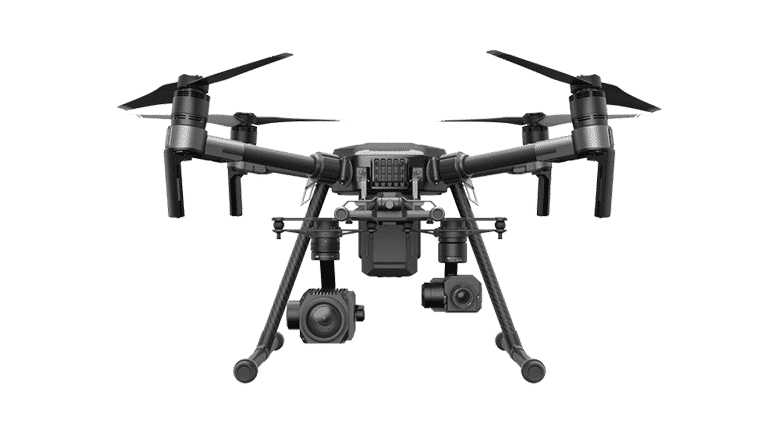
The drone industry is evolving rapidly, and 2025 brings significant regulatory changes that affect how entrepreneurs can leverage drone technology for property security. Whether you're protecting a warehouse, construction site, or commercial facility, understanding beyond visual line of sight (BVLOS) operations is crucial for maximizing your security investment.
With new compliance requirements and enhanced technological capabilities, business owners need a clear roadmap to navigate these changes while strengthening their property protection. This guide breaks down exactly what you need to know to stay compliant and secure.
Understanding the 2025 Regulatory Landscape
The regulatory environment for drone operations has become more sophisticated, with stricter identification requirements and clearer operational boundaries. All commercial drones over 250 grams now require proper registration and must emit electronic identification signals, making it easier to track both authorized and unauthorized aircraft in your airspace.
For property security applications, these changes create both opportunities and obligations. The 150-meter minimum distance requirement from residential and commercial zones affects how close surveillance drones can operate to neighboring properties, while the 120-meter altitude limit defines your vertical security perimeter.
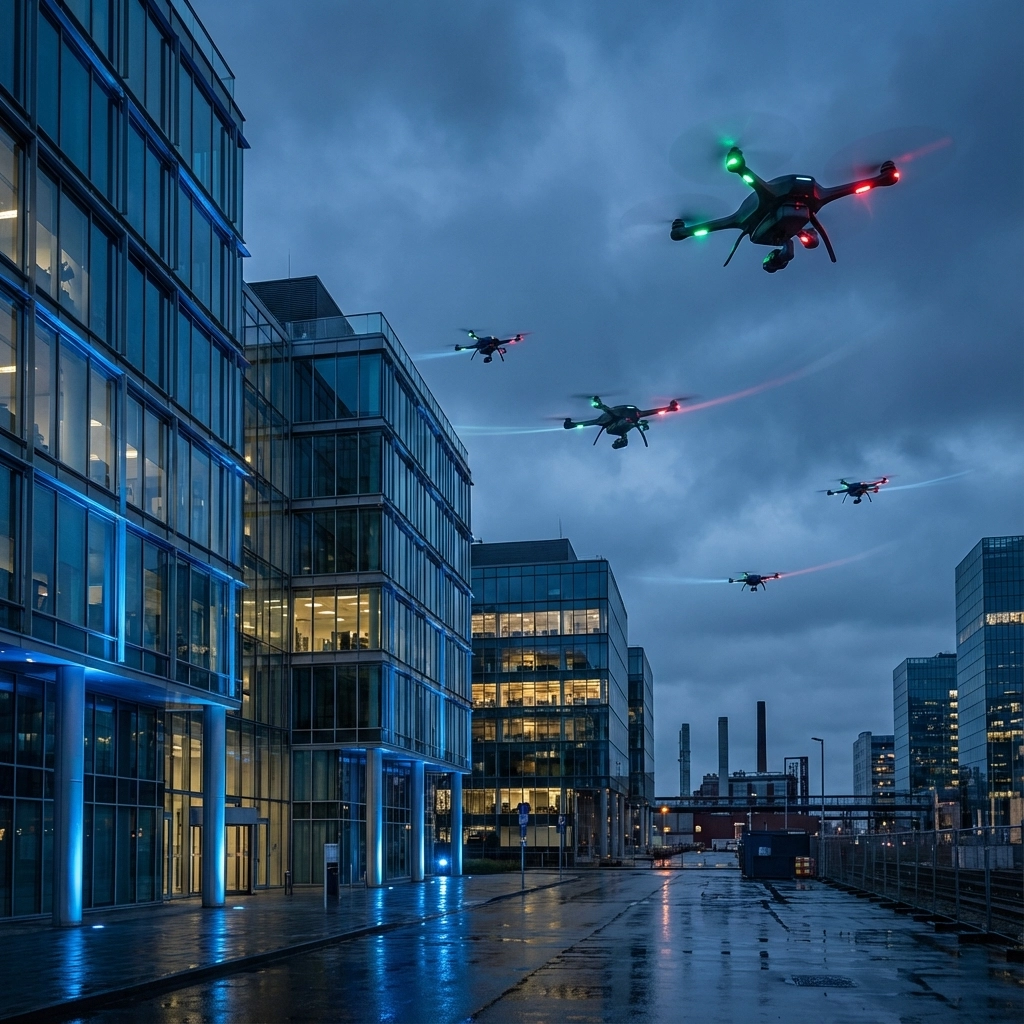
Most importantly, the enhanced penalty structure: with fines up to €45,000 for privacy violations: means proper compliance isn't just good practice, it's essential for protecting your business from costly legal issues.
Step 1: Conduct a Comprehensive Security Assessment
Before implementing any drone-based security system, you need to understand your property's unique vulnerabilities and requirements. This assessment forms the foundation of your entire security strategy.
Start by mapping your property boundaries and identifying critical assets that need protection. Consider factors like entry points, blind spots in existing security systems, and areas where traditional surveillance might be insufficient or impractical.
Evaluate your current security infrastructure to identify gaps that drone technology can fill. Many entrepreneurs discover that drones excel in monitoring large outdoor areas, tracking perimeter security, and providing rapid response capabilities that complement existing cameras and alarm systems.
Document any regulatory constraints specific to your location, including nearby airports, restricted zones, or local ordinances that might affect drone operations. This preliminary work saves significant time and money during implementation.
Step 2: Obtain Proper BVLOS Certification and Permits
Beyond visual line of sight operations require specific authorizations that go beyond basic drone pilot certification. This step involves working with certified instructors and regulatory authorities to ensure your security operations meet all legal requirements.
The certification process typically includes demonstrating your ability to safely operate drones when you can't see them directly, understanding air traffic control coordination, and proving your security operations won't interfere with other aircraft or privacy rights.

For entrepreneurs, this often means partnering with experienced drone service providers who already hold these certifications rather than developing capabilities in-house. This approach provides immediate access to compliant operations while you build internal expertise.
Documentation is critical throughout this process. Maintain detailed records of all certifications, flight logs, and operational procedures. These records not only ensure compliance but also demonstrate due diligence if questions arise about your security operations.
Step 3: Implement Advanced Detection and Response Systems
Modern drone security systems go far beyond simple surveillance cameras. Advanced detection systems can identify unauthorized drones, track their flight patterns, and coordinate appropriate responses automatically.
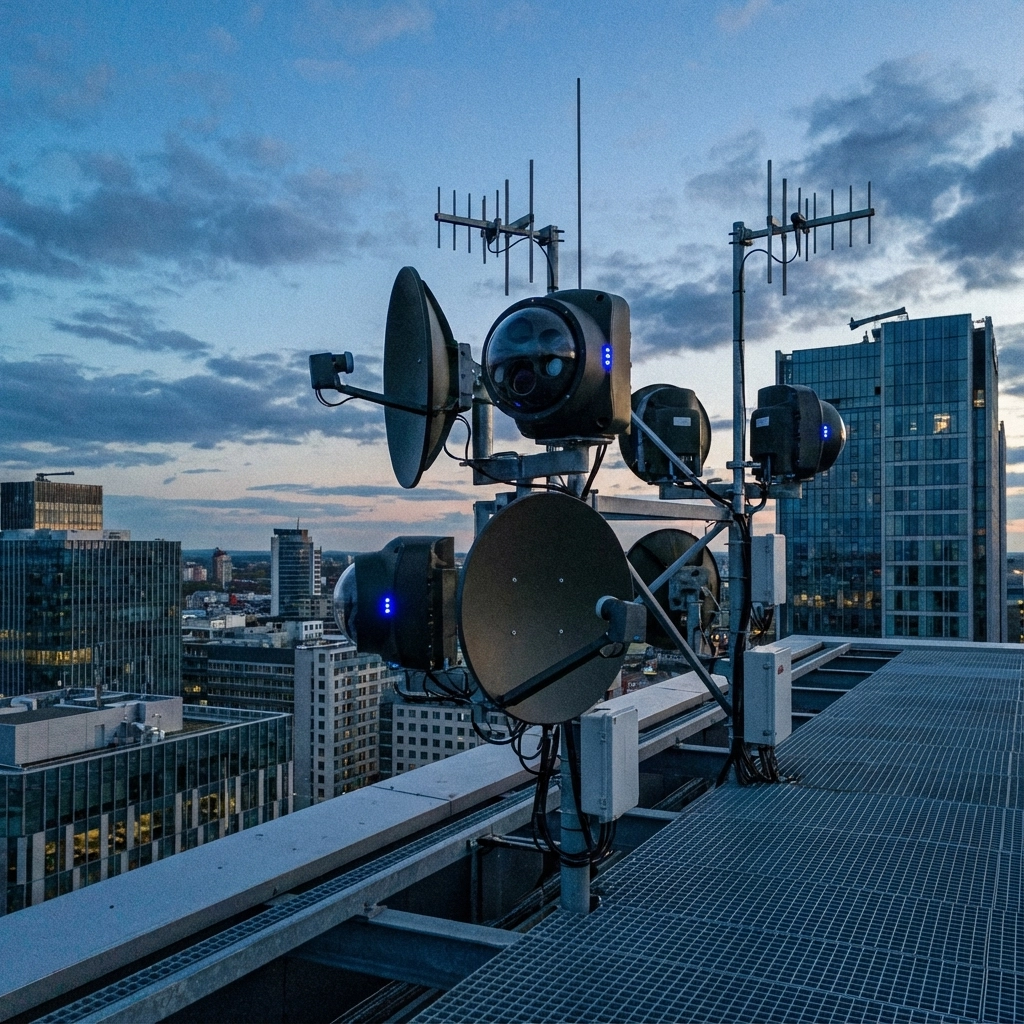
Multi-sensor integration is key to effective drone security. Combine radar detection, radio frequency monitoring, and optical tracking to create comprehensive awareness of your airspace. This redundancy ensures reliable detection even when individual sensors face limitations due to weather or interference.
Automated response protocols should escalate threats appropriately. Start with passive monitoring and documentation, progress to active tracking and alert systems, and reserve counter-drone measures for verified threats. This graduated response protects your business legally while maintaining effective security.
Consider integration with existing security systems to create a unified command center. When drone detection systems communicate with access controls, lighting, and alarm systems, you achieve much more effective overall security than isolated components.
Step 4: Establish 24/7 Monitoring and Response Protocols
Continuous monitoring is essential for effective drone security, but many entrepreneurs underestimate the resources required for proper implementation. Professional monitoring services often provide better coverage than in-house teams, especially during nights, weekends, and holidays.
Develop clear escalation procedures for different types of incidents. Routine security patrols require different responses than active intrusion attempts or suspicious drone activity. Train your security team to distinguish between authorized operations, technical malfunctions, and genuine security threats.
Remote monitoring capabilities allow security personnel to respond quickly without physical presence at every location. Cloud-based systems enable monitoring multiple properties from a central location, reducing costs while improving response times.
Regular testing ensures your systems perform when needed. Schedule monthly drills that test both detection accuracy and response procedures. Document results and continuously refine your protocols based on real-world performance.
Step 5: Optimize Through Data Analysis and Continuous Improvement
The most effective drone security systems continuously evolve based on operational data and threat patterns. Regular analysis of security logs, incident reports, and system performance metrics reveals opportunities for improvement.
Track key performance indicators like detection accuracy, false alarm rates, and response times. These metrics help you optimize sensor placement, adjust detection thresholds, and improve response procedures over time.

Seasonal variations often affect drone security operations. Weather patterns, vegetation changes, and local activity levels can all impact system performance. Adjust your security protocols proactively rather than reactively to maintain consistent protection.
Stay informed about emerging threats and technological developments in both drone technology and counter-drone systems. The security landscape evolves rapidly, and yesterday's cutting-edge system might need updates to address today's threats.
Working with Professional Drone Security Services
Many entrepreneurs find that partnering with established drone service providers offers the fastest path to compliant, effective security operations. Professional services bring regulatory expertise, proven technologies, and operational experience that would take years to develop internally.
When evaluating drone security providers, prioritize companies with current BVLOS certifications, proven track records in commercial security applications, and comprehensive insurance coverage. Ask about their compliance procedures, response protocols, and system integration capabilities.

Consider hybrid approaches that combine professional services with internal capabilities. Many businesses start with fully outsourced operations and gradually build internal expertise in specific areas while maintaining professional partnerships for complex requirements.
The right service provider becomes a strategic partner rather than just a vendor. Look for companies that understand your business objectives and can adapt their services as your security needs evolve.
Cost-Benefit Analysis and ROI Considerations
Drone security systems require significant initial investment, but the long-term benefits often justify the costs. Calculate potential savings from reduced theft, lower insurance premiums, and improved operational efficiency when evaluating your investment.
Compare drone security costs against traditional alternatives like additional security guards, expanded camera systems, or increased physical barriers. Drone systems often provide superior coverage at lower ongoing costs, especially for large properties or remote locations.
Factor in compliance costs as part of your total investment. Regulatory violations can result in substantial fines and operational disruptions that far exceed the cost of proper implementation. View compliance as insurance rather than overhead.
Conclusion
Implementing effective drone security beyond visual line of sight requires careful planning, proper certification, and ongoing optimization. The five steps outlined in this guide provide a framework for entrepreneurs to navigate regulatory requirements while building robust property protection systems.
Success depends on treating drone security as an integrated business system rather than isolated technology. By combining regulatory compliance, advanced detection capabilities, professional monitoring, and continuous improvement, you create security operations that protect your assets while supporting your business objectives.
The 2025 regulatory environment creates new opportunities for entrepreneurs willing to invest in proper implementation. With clear guidelines and proven technologies available, there's never been a better time to enhance your property security through professional drone services.

Comments