How to Choose the Best Drone Security Training in Canada (2025 Certification Guide)
- Anthony Oliveira
- Dec 29, 2025
- 5 min read
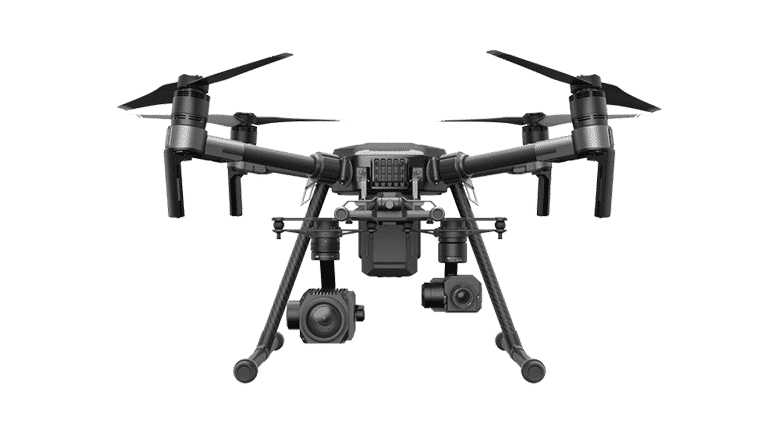
The drone security industry in Canada is booming, and with 2025's updated regulations, choosing the right training has never been more critical. Whether you're looking to break into private security operations or enhance your existing skills, the landscape of drone certification has evolved dramatically.
As someone who works with drone operators daily, I've seen too many people waste time and money on subpar training programs. The good news? With the right guidance, you can fast-track your way to legitimate certification and start flying professionally within months.
Understanding Canada's Certification Framework
Canada operates under a three-tier system that determines what you can fly and where you can operate. Here's the breakdown:
Basic Operations Certificate covers simple drone operations under 25kg, flying within visual line of sight in uncontrolled airspace. You'll pass an online exam through Transport Canada, and you're good to go for basic security patrols and property monitoring.
Advanced Operations Certificate opens up more possibilities. This requires both an online exam and a flight review with a certified examiner. With this certification, you can operate in controlled airspace and handle more complex security scenarios.
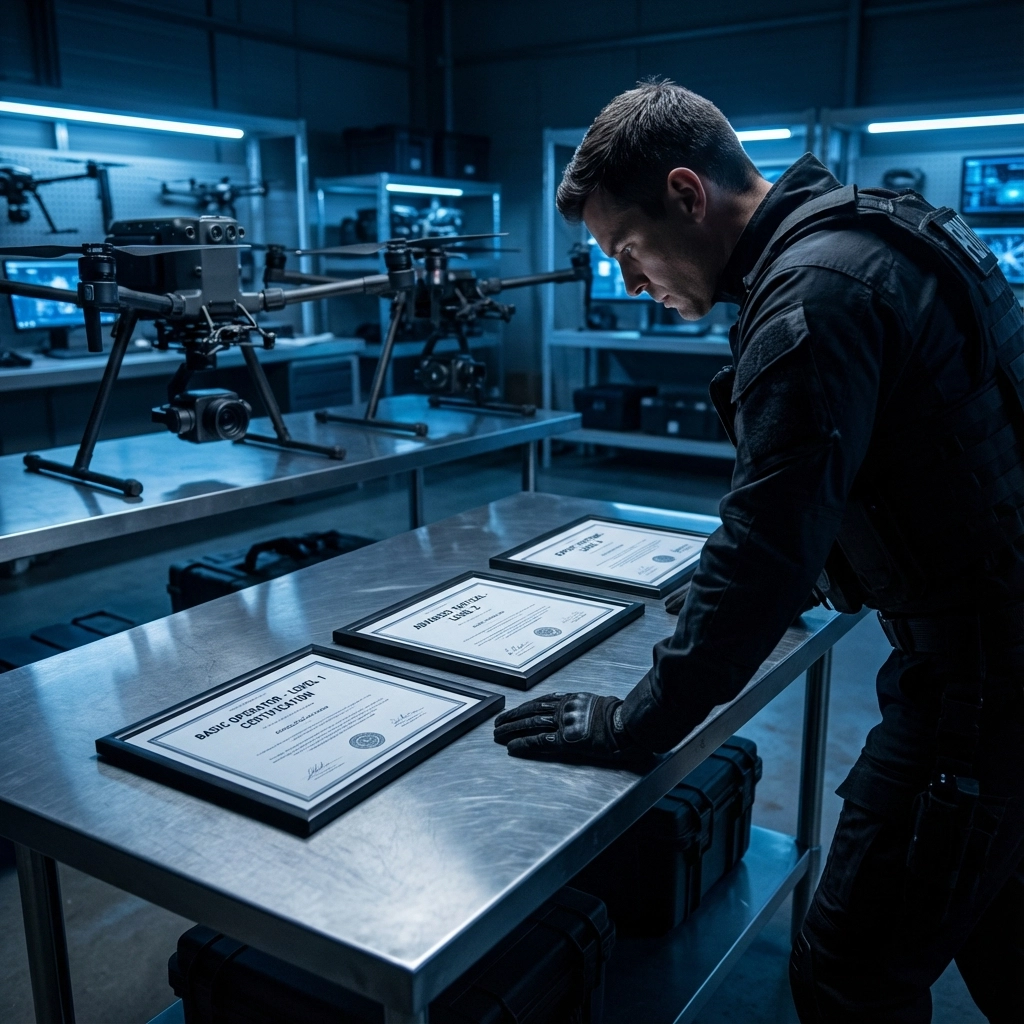
Level 1 Complex Operations Certificate is where the real opportunities lie for security professionals. This top-tier certification requires 20 hours of ground school, advanced exams, and comprehensive flight reviews. It's your ticket to Beyond Visual Line of Sight (BVLOS) operations: essential for large-scale security monitoring.
What Security-Focused Training Should Include
Not all drone training is created equal, especially when it comes to security applications. Your program should cover:
Legal and Regulatory Knowledge goes beyond basic Transport Canada rules. You need to understand privacy laws, data collection regulations, and how they apply to security operations. Programs that skip this leave you vulnerable to legal issues down the road.
Operational Security Planning involves threat assessment, flight planning for security scenarios, and emergency procedures. Generic flight training won't teach you how to conduct effective security patrols or respond to incidents.
Equipment Specialization covers thermal imaging, night vision capabilities, and specialized security payloads. Many training programs focus on basic camera work, but security operations demand more advanced equipment knowledge.
Data Management and Evidence Handling is crucial for security work. You'll need to know how to properly collect, store, and present footage that could be used in legal proceedings.
SecuDrone's Comprehensive Training Approach
At SecuDrone, we've structured our programs around real-world security applications. Our training covers four key areas:
Base Operations Training gets you started with fundamental drone operations and basic security protocols. This program is perfect if you're new to drones but want to focus on security applications from day one.
Advanced Operations Training builds on those foundations with complex flight scenarios, advanced equipment operation, and specialized security techniques. We cover everything from perimeter monitoring to incident response.
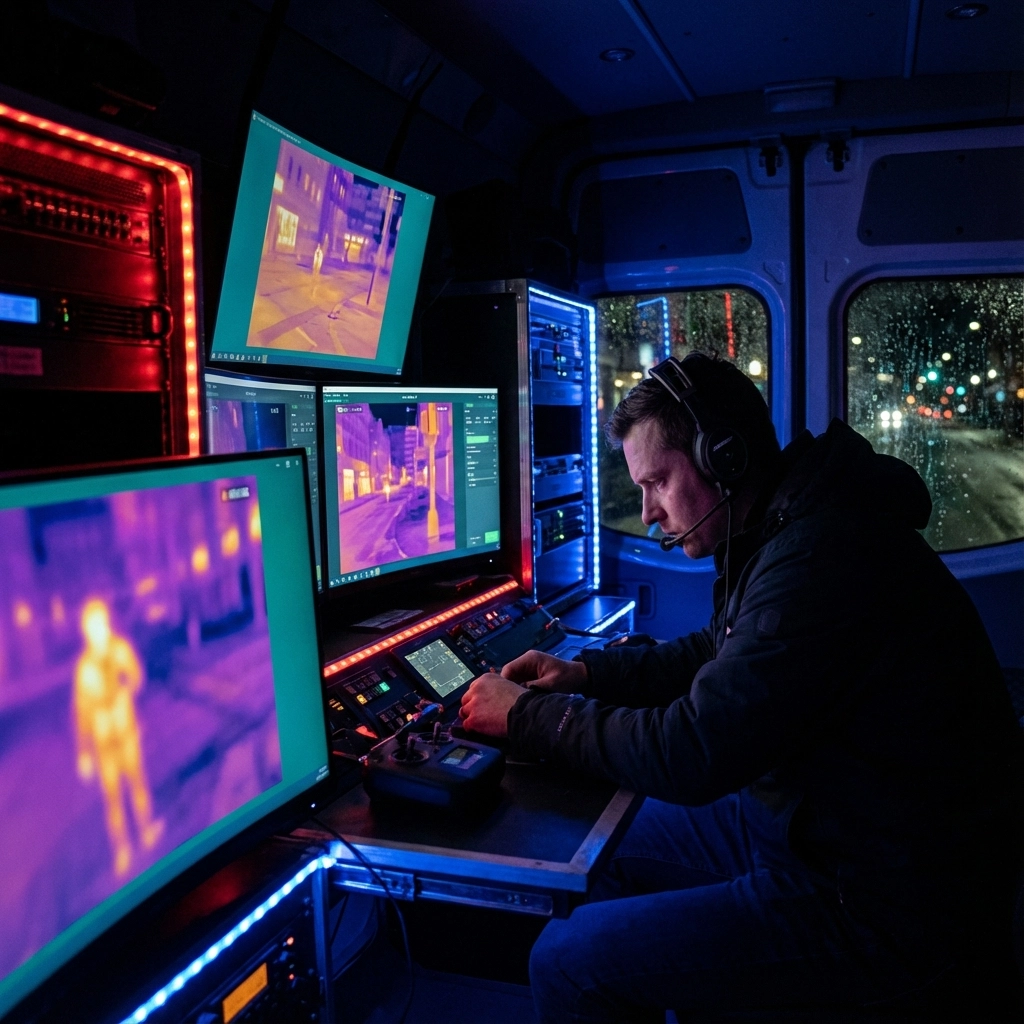
RPAS Specialization in Private and Public Security is where we dive deep into professional security operations. This program covers working with law enforcement, private security companies, and government agencies. You'll learn about different security environments, from corporate facilities to public events.
Photogrammetry Pro Training focuses on 3D modeling and advanced surveying techniques. This specialized skill set is increasingly valuable for security assessments, crime scene documentation, and facility planning.
What sets our programs apart is that I'm a recognized Transport Canada Flight Reviewer, which means our training aligns directly with certification requirements. You're not just learning theory: you're preparing for real examinations with someone who actually conducts them.
Evaluating Training Providers: Red Flags and Green Lights
Green Lights to Look For:
Certified instructors with current Transport Canada credentials should be non-negotiable. Ask to see their certifications and verify them independently.
Hands-on flight experience with security-specific scenarios separates quality programs from classroom-only training. You should be practicing real security operations, not just basic maneuvers.
Updated curriculum that reflects 2025 regulations is essential. The drone industry changes rapidly, and outdated training can leave you unprepared for current requirements.
Red Flags to Avoid:
Promises of "quick certification" or "guaranteed passing" are immediate warning signs. Legitimate certification takes time and effort: anyone promising shortcuts is likely cutting corners on quality.
Generic aviation training that doesn't address security-specific applications will leave you unprepared for actual security work.
Lack of proper insurance or safety protocols during training flights indicates a program that doesn't take safety seriously.

The 2025 Regulatory Landscape
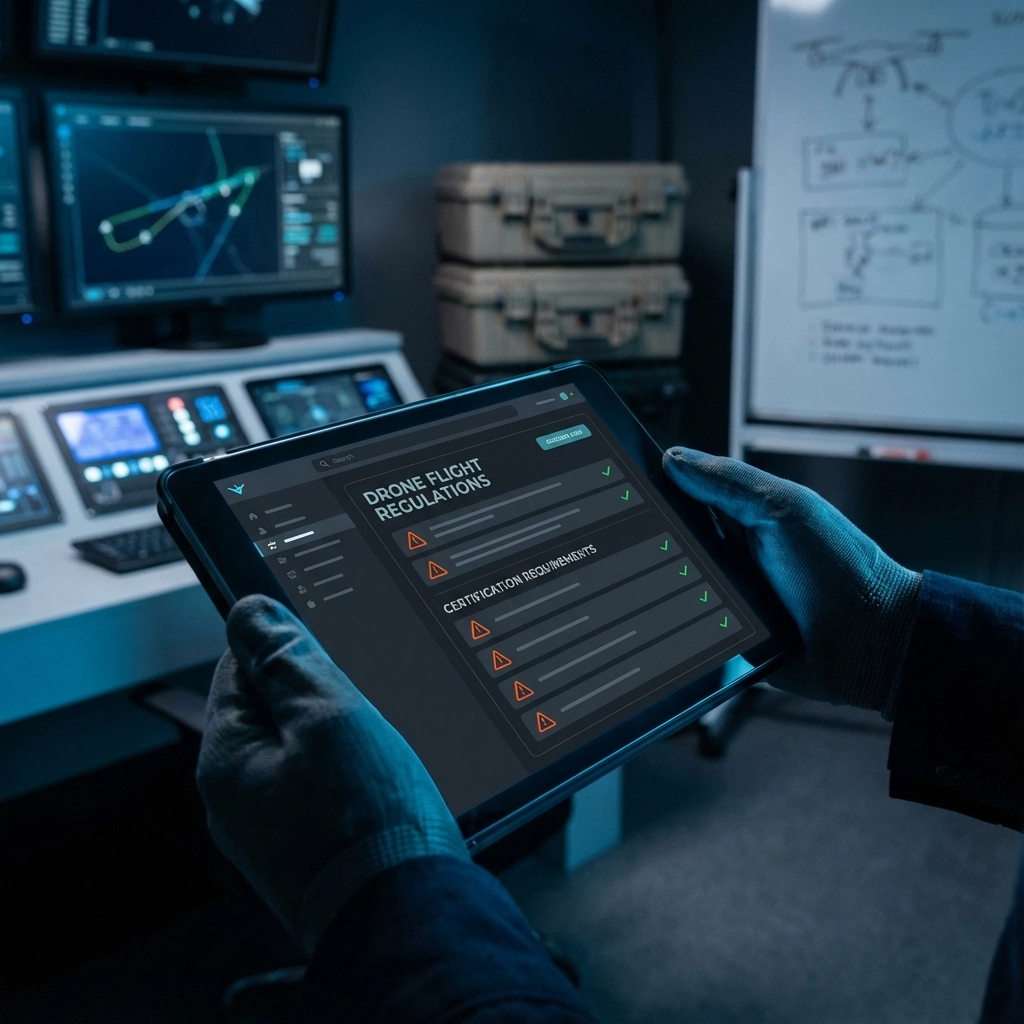
This year brought significant changes to Canada's drone regulations, moving away from the old Special Flight Operations Certificate (SFOC) system to clearer certification pathways. For security professionals, this means:
Streamlined BVLOS Applications are now possible with proper Level 1 Complex certification. Previously, each BVLOS operation required individual approval: now you can operate under standard conditions with appropriate certification.
Enhanced Privacy Requirements affect how security footage is collected and stored. Training programs must address these new requirements, or you'll face compliance issues later.
Expanded Urban Operations are now possible in many areas that were previously restricted. This opens up new opportunities for urban security operations, but requires proper training to navigate safely.
Making Your Investment Count
Quality drone security training isn't cheap, but it's an investment in your professional future. Here's how to maximize your return:
Choose Comprehensive Over Piecemeal training. It's tempting to take the cheapest basic course and add certifications later, but comprehensive programs often cost less overall and provide better integration between different skill areas.
Focus on Career Goals when selecting specializations. If you want to work in corporate security, photogrammetry skills might be valuable. For law enforcement support, thermal imaging and evidence handling are more important.
Verify Instructor Credentials by checking Transport Canada databases. Don't just take their word for it: legitimate instructors are proud to share their certifications and flight review authority.
Beyond Basic Certification
Once you've completed your initial training, the learning doesn't stop. The security drone industry evolves rapidly, with new equipment, techniques, and regulations appearing regularly.
Continuing Education keeps your skills sharp and your certification current. Look for training providers who offer ongoing support and advanced courses as your career develops.
Networking Opportunities often come through quality training programs. The connections you make during training can lead to job opportunities and professional partnerships.
Equipment Access varies significantly between training providers. Programs that offer hands-on experience with professional-grade security equipment give you a significant advantage when job hunting.
Your Next Steps
Choosing drone security training in Canada doesn't have to be overwhelming. Start by honestly assessing your career goals and current skill level. If you're completely new to drones, begin with base operations training that includes security applications from the start.
For those with existing drone experience looking to specialize in security, focus on programs that offer RPAS specialization and advanced security techniques.
The drone security industry in Canada offers excellent opportunities for trained professionals, but success requires proper preparation. Don't cut corners on training: your career and safety depend on it.
Ready to start your drone security training journey? Visit SecuDrone to explore our comprehensive training programs designed specifically for security professionals. With proper training from certified instructors, you'll be ready to take advantage of the growing opportunities in Canada's drone security market.


Comments