Exploring Aerial Security Solutions in Canada
- Anthony Oliveira
- Jan 20
- 4 min read
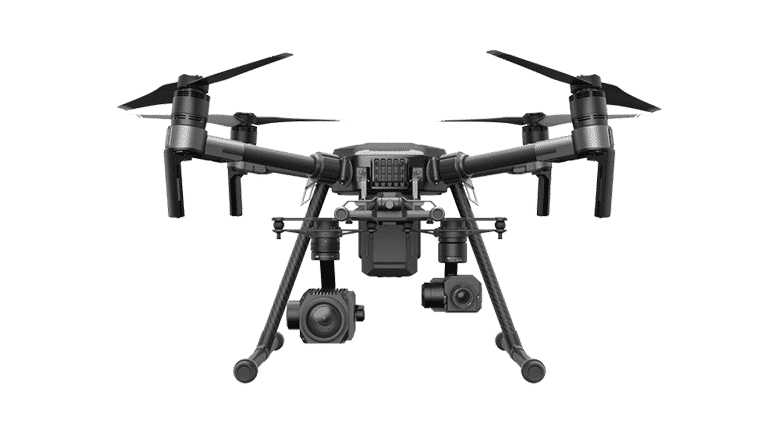
In recent years, the integration of drones into security operations has transformed how surveillance and monitoring are conducted. As a professional drone pilot, I have witnessed firsthand the evolution of aerial security solutions and their growing importance across various industries in Canada. This post explores the current landscape of drone security services, the technology behind them, and practical insights for those looking to expand their expertise in this dynamic field.
Understanding Aerial Security Solutions in Canada
Aerial security solutions refer to the use of unmanned aerial vehicles (UAVs), commonly known as drones, to enhance security measures. These solutions provide a bird’s-eye view that traditional security systems cannot match. In Canada, the adoption of these technologies is accelerating, driven by the need for efficient, cost-effective, and flexible security options.
Drones equipped with high-resolution cameras, thermal imaging, and real-time data transmission capabilities are now deployed in various sectors. These include critical infrastructure protection, event security, border surveillance, and private property monitoring. The ability to cover large areas quickly and access hard-to-reach locations makes drones invaluable for security professionals.
For example, a drone can patrol a remote pipeline or power line corridor, identifying potential threats or damages without the need for extensive ground patrols. This not only saves time but also reduces operational costs and enhances safety for security personnel.

Can drones be used for security?
The question of whether drones can be used for security is no longer theoretical; the answer is a resounding yes. Drones have proven their effectiveness in various security applications, from crowd monitoring at large public events to perimeter security for industrial sites.
One of the key advantages of drones is their ability to provide real-time video feeds and thermal imaging, which are crucial for detecting unauthorized access or suspicious activities during both day and night. Additionally, drones can be programmed to follow specific patrol routes autonomously, ensuring consistent coverage without human fatigue.
Moreover, drones can be integrated with other security systems such as alarms, motion sensors, and access control systems. This integration allows for a comprehensive security network where drones act as rapid responders to alerts, providing visual confirmation and situational awareness before human intervention.
For instance, during a large outdoor concert, drones can monitor crowd density and movement patterns, helping security teams manage potential risks proactively. In agricultural settings, drones can detect trespassers or wildlife threats, protecting valuable crops and livestock.
The Role of Certification and Training in Drone Security
Operating drones for security purposes requires more than just piloting skills. It demands a thorough understanding of aviation regulations, privacy laws, and the technical aspects of drone operation. In Canada, Transport Canada mandates that drone pilots obtain specific certifications to operate drones commercially, especially in controlled airspace or near people.
Professional training programs, such as those offered by SecuDrone, provide aspiring and experienced pilots with the knowledge and skills necessary to excel in aerial security solutions. These programs cover topics like flight planning, emergency procedures, data management, and ethical considerations.
Certification not only ensures compliance with legal requirements but also enhances credibility with clients and employers. Security companies and organizations increasingly prefer certified drone pilots who can demonstrate proficiency and responsibility.
For example, a certified drone pilot working with a security firm can confidently conduct surveillance missions, knowing they are operating within the legal framework and adhering to best practices. This professionalism builds trust and opens doors to more advanced and specialized assignments.

Practical Applications of Drone Security Services in Canada
The versatility of drone technology allows for a wide range of security applications tailored to specific needs. Here are some practical examples of how drone security services are utilized across Canada:
Critical Infrastructure Monitoring
Drones inspect power plants, water treatment facilities, and transportation networks to detect vulnerabilities and prevent sabotage or accidents.
Event Security
Large-scale events benefit from aerial surveillance to monitor crowd behavior, identify potential threats, and coordinate emergency responses.
Border and Coastal Surveillance
Drones assist in monitoring remote border areas and coastlines, providing real-time intelligence to law enforcement and border security agencies.
Private Property Protection
Property owners use drones to patrol estates, construction sites, and commercial properties, deterring theft and vandalism.
Agricultural Security
Farmers employ drones to safeguard crops and livestock from trespassers and wildlife, ensuring the integrity of their operations.
Each application requires tailored flight plans, sensor configurations, and data analysis techniques. Understanding these nuances is essential for drone pilots aiming to deliver effective aerial security solutions.
Future Trends in Drone Security and Professional Development
The future of drone security services in Canada is promising, with continuous advancements in technology and regulatory frameworks. Emerging trends include the integration of artificial intelligence (AI) for automated threat detection, enhanced battery life for longer missions, and improved data encryption for secure communications.
For drone pilots, staying updated with these developments is crucial. Engaging in ongoing professional development, attending industry conferences, and participating in advanced training courses will ensure that skills remain relevant and competitive.
Furthermore, collaboration between drone operators, security firms, and regulatory bodies will shape the standards and best practices for aerial security solutions. This collaborative approach will foster innovation while maintaining safety and privacy protections.
Aspiring drone pilots should consider specializing in security applications, as demand for skilled professionals in this niche is expected to grow. By combining technical expertise with a solid understanding of security principles, pilots can position themselves as valuable assets in the Canadian market.
Exploring aerial security solutions reveals a landscape rich with opportunity and innovation. By embracing certified training and understanding the practical applications of drone technology, professionals can contribute significantly to enhancing security across Canada. Whether monitoring critical infrastructure or securing large events, drones offer a powerful toolset that is reshaping the future of security operations.
For those interested in advancing their careers, I recommend exploring drone security services training programs that provide comprehensive instruction and certification tailored to the Canadian context. This investment in education will open doors to exciting and impactful roles in the evolving field of aerial security.

Comments