BVLOS Drone Security: 5 Steps How to Protect Your Property Beyond Visual Range (Easy Guide for Business Owners)
- Anthony Oliveira
- Dec 11, 2025
- 6 min read
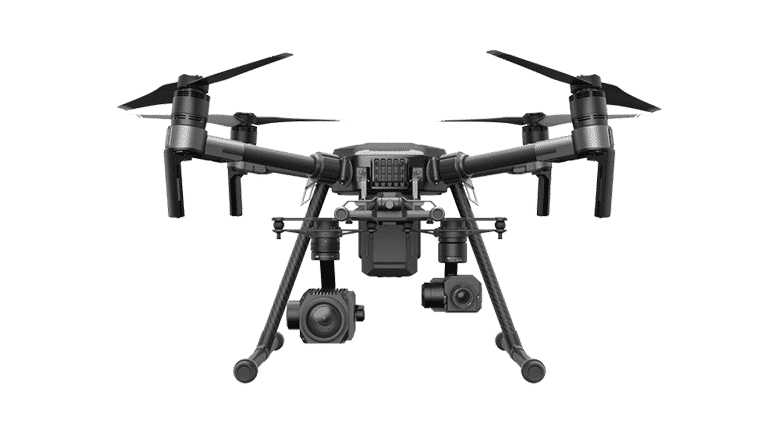
Flying drones beyond visual line of sight (BVLOS) opens up incredible opportunities for your business. Whether you're monitoring large properties, conducting inspections, or providing security services, BVLOS operations can transform how you work. But with great range comes great responsibility – especially when it comes to security.
The FAA's proposed BVLOS regulations make one thing crystal clear: security isn't optional. It's a core requirement that can make or break your operation. The good news? You don't need to be a cybersecurity expert to get this right.
This guide breaks down everything you need to know into five manageable steps. By the end, you'll have a clear roadmap for protecting your property and meeting regulatory requirements – without the headaches.
Why BVLOS Security Matters More Than Ever
Before diving into the steps, let's get real about why this matters. When you're flying beyond visual range, you're essentially operating a remote vehicle that could be miles away from you. That distance creates vulnerabilities that don't exist in traditional drone operations.
Unauthorized access to your systems could mean someone else controlling your drone. Communication failures could leave your aircraft stranded or worse – flying into restricted airspace. Cybersecurity breaches could expose sensitive data about your operations, clients, and flight paths.
The stakes are higher, but the solutions are straightforward when you know what to focus on.
Step 1: Lock Down Physical Access
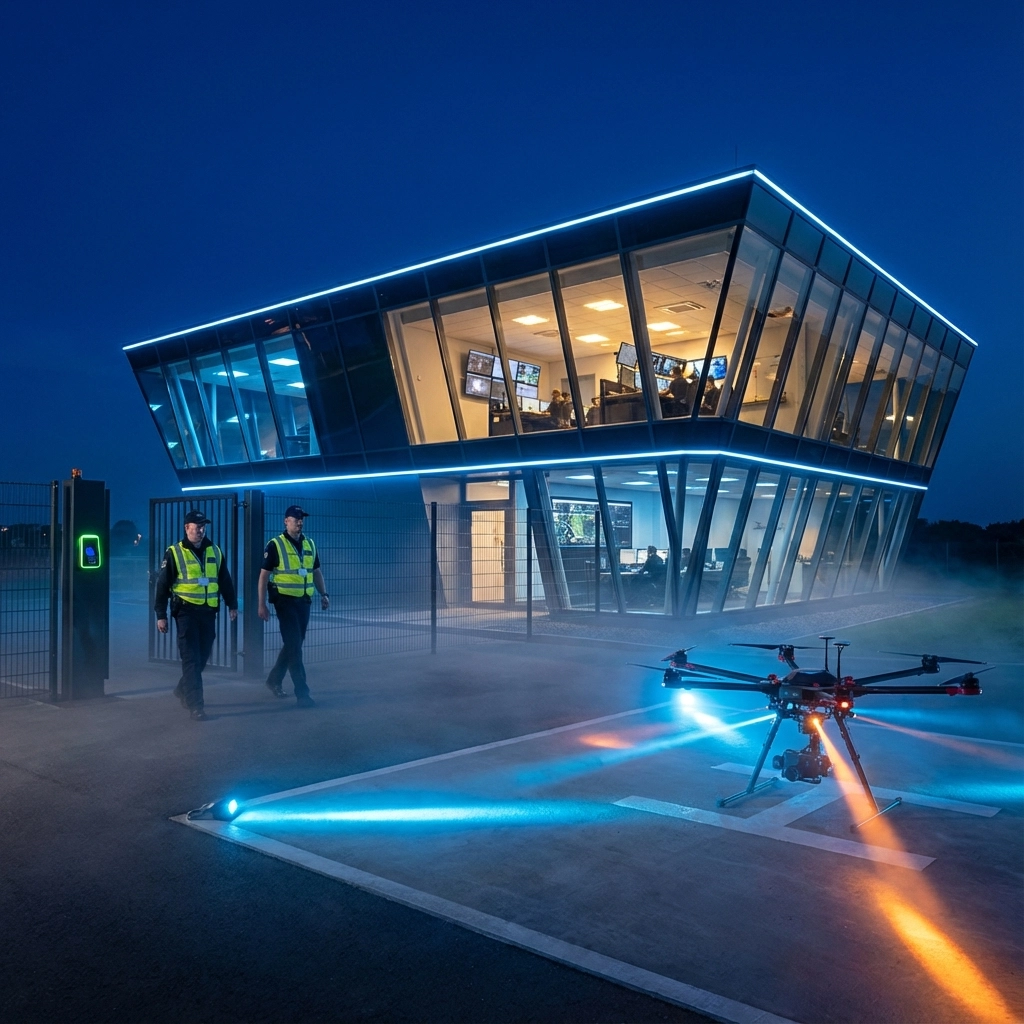
Your first line of defense isn't software – it's physical security. Think of it like protecting your office building. You wouldn't leave your doors unlocked, and the same principle applies to your drone operations.
Start with your launch and landing sites. These areas need restricted access protocols. Only authorized personnel should be able to enter these zones, especially during active operations. This means implementing badge access systems, security cameras, or even just clearly defined boundaries with proper signage.
Your storage areas are equally important. Drones, batteries, controllers, and other equipment represent significant investments. More importantly, someone with access to your hardware could potentially compromise your entire operation. Secure storage isn't just about theft prevention – it's about maintaining operational integrity.
Consider creating a checklist for physical security:
Controlled access to operational areas
Secure storage for all equipment
Identity verification for personnel entering sensitive zones
Regular security audits of your facilities
Clear protocols for visitor access
Documentation is key here. The FAA will want to see that you've thought through these scenarios and have policies in place. This doesn't mean you need elaborate security systems, but you do need clear procedures that everyone follows consistently.
Step 2: Build Your Cybersecurity Defense
If physical security is your building's locked doors, cybersecurity is your digital fortress. BVLOS operations rely heavily on communication networks, data transmission, and automated systems. Each of these represents a potential entry point for bad actors.
Your communication systems need protection from unauthorized access and electronic interference. This includes your ground control stations, communication links to the aircraft, and any cloud-based systems you're using for data storage or flight planning.
Work with your drone manufacturer to understand what cybersecurity features are built into their aircraft. Modern drones should have protections against intentional electronic interference, but you need to verify this rather than assume it exists.

Data security is another critical component. Your flight logs, maintenance records, and operational data need protection. This information could reveal patterns about when and where you fly, which facilities you're monitoring, and what security measures you have in place.
Key cybersecurity elements include:
Secure communication protocols between ground stations and aircraft
Regular software updates for all systems
Protected data storage with access controls
Network security measures for all connected devices
Incident response procedures for cybersecurity breaches
The goal isn't to become a cybersecurity expert overnight. It's to work with qualified professionals to ensure your systems have appropriate protections for your level of operations.
Step 3: Master Communication and Detection
Reliable communication is the backbone of safe BVLOS operations. When you can't see your drone, you need absolute confidence in your ability to communicate with it throughout the entire flight.
Your communication system needs to work across your entire operational area. This seems obvious, but it requires careful planning. Cellular coverage, radio frequency reliability, and environmental factors all play a role in maintaining consistent communication.
Terrain presents unique challenges. Dense vegetation, buildings, and natural topography can create communication dead zones. You need to map these areas and plan your flight paths accordingly. If you're operating near infrastructure or in complex environments, consider how these factors might affect signal strength.
Detection and avoidance capabilities are equally important. Your systems need to identify obstacles, other aircraft, and potential hazards that you can't see from your ground control station. This might involve radar systems, ADS-B receivers, or other detection technologies depending on your operational environment.
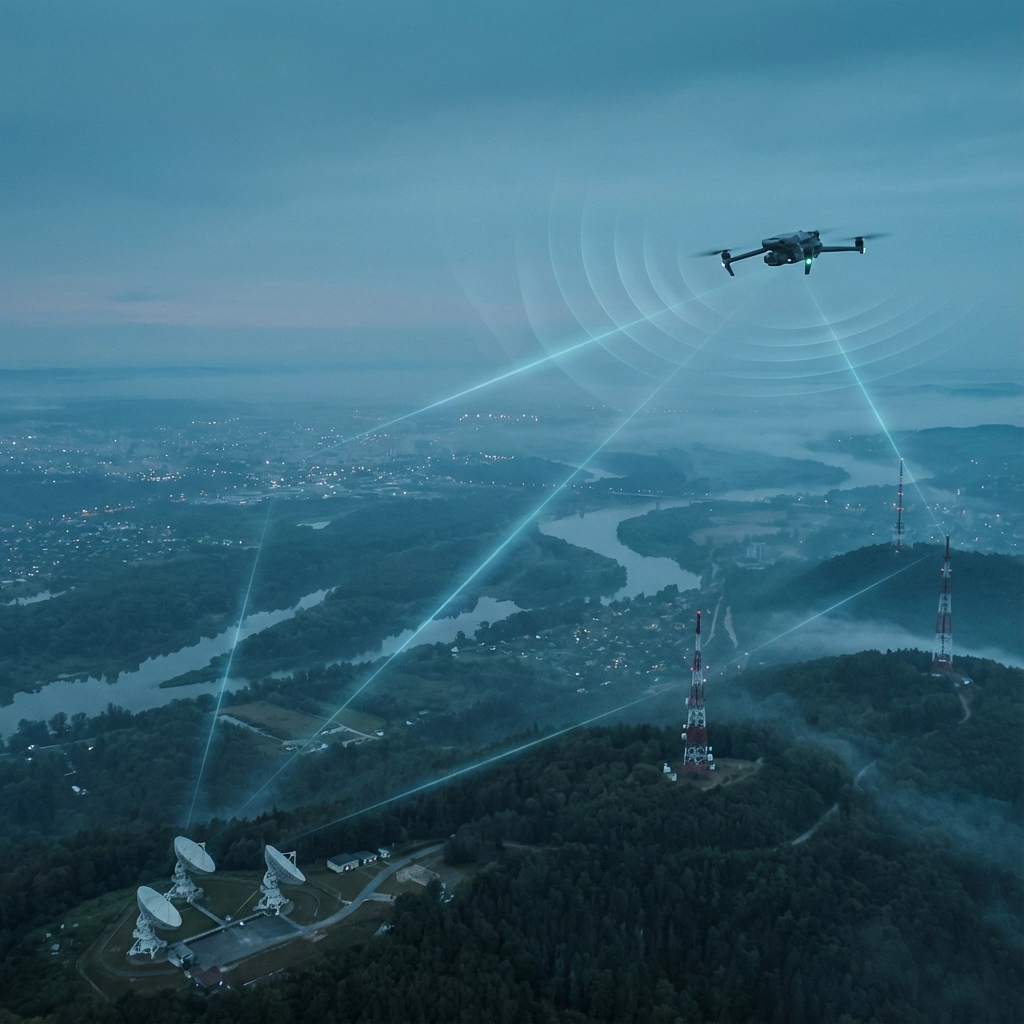
Geo-fencing technology provides another layer of protection by preventing flights into unauthorized areas. This is particularly important for BVLOS operations where manual intervention might not be possible if your aircraft starts heading toward restricted airspace.
Lost-link procedures deserve special attention. What happens if communication fails? Your drone needs clear instructions for these scenarios, whether that's returning to a predetermined landing site, hovering in place, or executing another predetermined action.
Step 4: Get Your Team Security-Cleared
People are often the weakest link in any security system, but they don't have to be. Proper personnel management and security clearances create a foundation of trust and accountability in your operations.
Depending on your specific BVLOS operations, TSA security threat assessments may be required for key personnel. This typically includes operations supervisors, flight coordinators, and others with significant access to your systems and operations.
These assessments aren't just bureaucratic hurdles – they're designed to ensure that people with access to your systems don't present security risks. The process may include background checks, fingerprinting, and reviews of criminal history records.
Even if formal security clearances aren't required for your operations, implementing your own personnel security measures makes sense. This includes:
Background verification for new team members
Regular training on security protocols
Clear access controls based on job responsibilities
Procedures for reporting security concerns
Regular review of personnel access privileges
Training is particularly important because security requirements and best practices evolve constantly. Your team needs to stay current on both regulatory requirements and emerging threats.

Document everything related to personnel security. Keep records of training completion, background checks, and any security-related incidents. This documentation demonstrates your commitment to security and helps identify areas for improvement.
Step 5: Create Bulletproof Documentation
Documentation might seem like the boring part of security, but it's actually your safety net. Good records prove that you're following procedures, help you identify problems early, and provide crucial evidence if something goes wrong.
Incident reporting procedures need to be crystal clear. Everyone on your team should know how to report security breaches, communication failures, equipment malfunctions, and any other significant events. The key is making reporting easy and comprehensive.
Your documentation system should capture:
All security incidents, regardless of severity
Communication failures and lost-link events
Unplanned landings or flight deviations
Equipment failures and maintenance actions
Personnel training and certification records
Software updates and system changes
The FAA requires reporting for operations that result in more than $500 in property damage, but your internal reporting should be more comprehensive. Minor incidents often reveal patterns that help prevent major problems.

Record retention is equally important. You need systematic storage of all these records, with clear procedures for how long different types of records are kept and who has access to them. Digital storage systems work well, but make sure you have backup systems and security controls in place.
Regular review of your documentation helps identify trends and areas for improvement. Are you seeing repeated communication issues in certain areas? Do specific personnel need additional training? Your records should tell that story.
Making It All Work Together
These five steps aren't independent – they work together to create a comprehensive security framework. Physical security protects your equipment, cybersecurity protects your systems, communication systems keep everything connected, personnel security ensures trustworthy operators, and documentation ties it all together.
The key is starting with what you have and building systematically. You don't need to implement everything at once, but you do need a clear plan for getting there.
Remember that security requirements will continue to evolve as BVLOS operations become more common. Stay connected with industry developments, maintain relationships with security professionals, and be prepared to adapt your procedures as needed.
The investment in security pays dividends beyond regulatory compliance. Good security practices reduce operational risks, protect your business reputation, and give your clients confidence in your services. In the growing BVLOS market, that competitive advantage could be the difference between thriving and just surviving.
Your next step is simple: pick one area where you can improve your security posture and get started. Whether that's upgrading your physical access controls or reviewing your incident reporting procedures, the important thing is taking action. BVLOS operations offer incredible opportunities, but only for operators who take security seriously from day one.

Comments